
Why Aurora Photography Still Matters (And Why Now Is the Time)
I’ve just returned from another winter aurora workshop in Lofoten, Norway — and even after years of chasing the Northern Lights, I’m reminded of the same truth every time:
No photo, no video, no AI recreation comes close to standing under a living sky.
The aurora doesn’t perform on command.
It dances, fades, explodes, and disappears — often when you least expect it. And that’s exactly why photographers keep coming back.
What Exactly Is the Aurora?
The aurora borealis happens when charged particles from the sun collide with Earth’s atmosphere, guided by our planet’s magnetic field toward the polar regions. When these particles interact with gases like oxygen and nitrogen, they release energy in the form of light.
That light is the aurora — constantly shifting, never repeating itself.
It’s not just a phenomenon.
It’s a reminder that nature is still wildly, beautifully unpredictable.
Types of Aurora You Might See
One thing I always tell workshop participants: not all auroras look the same. Knowing what you’re seeing helps you photograph it better.
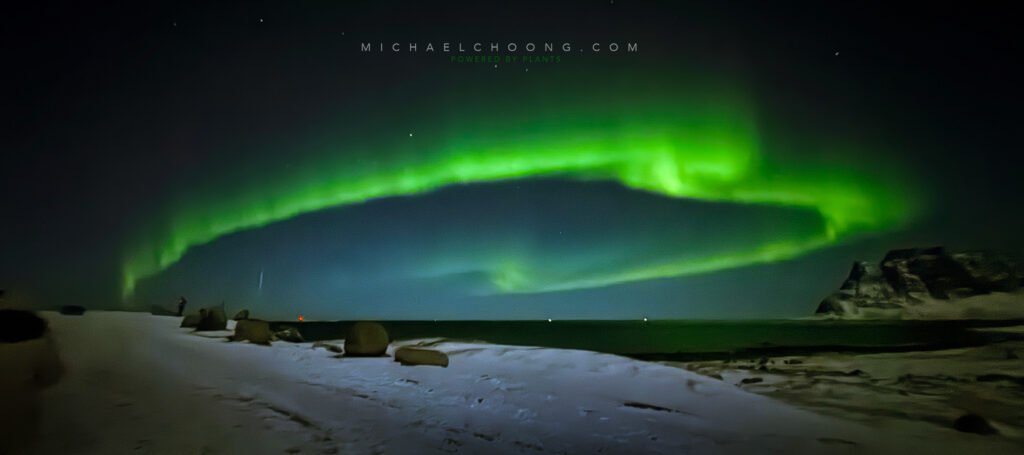
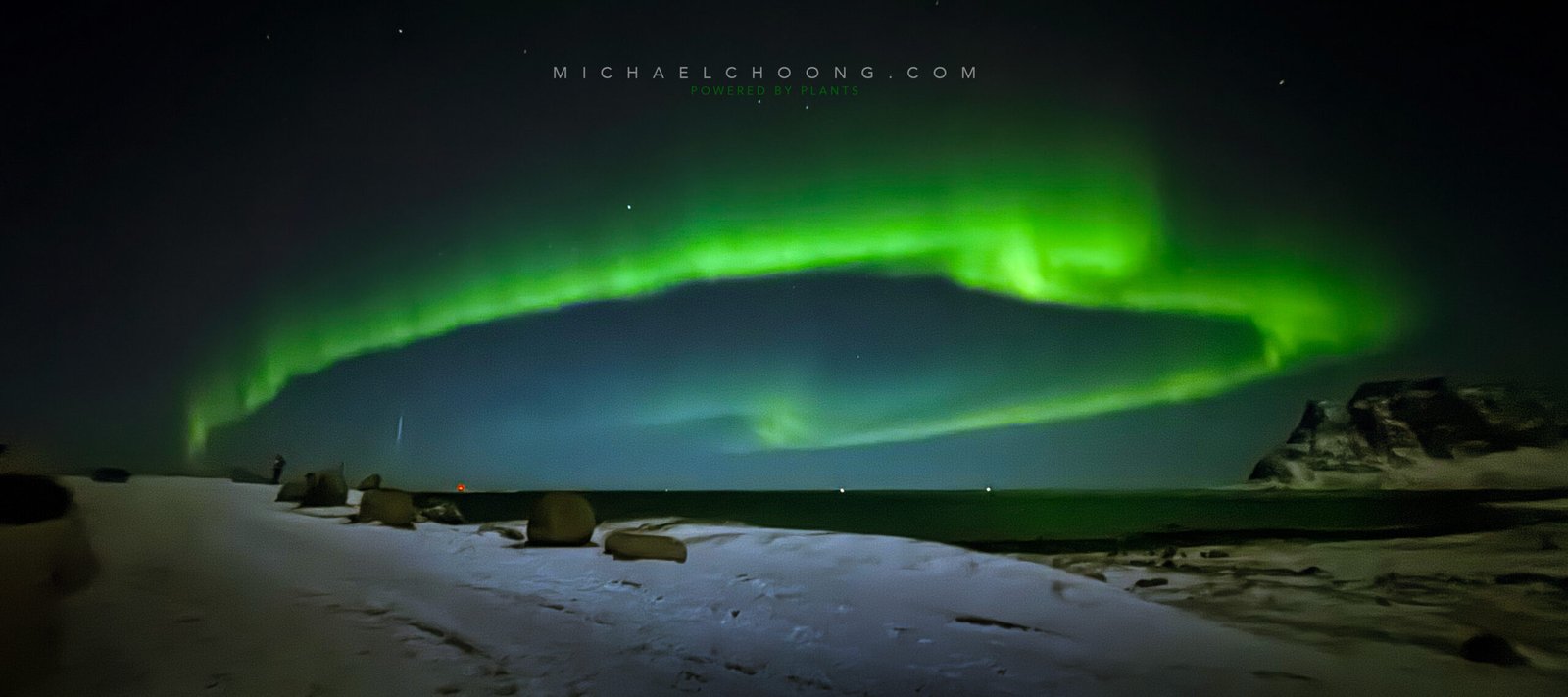
- Aurora Arc – A soft, glowing curve across the sky. Subtle, elegant, and perfect for wide compositions.
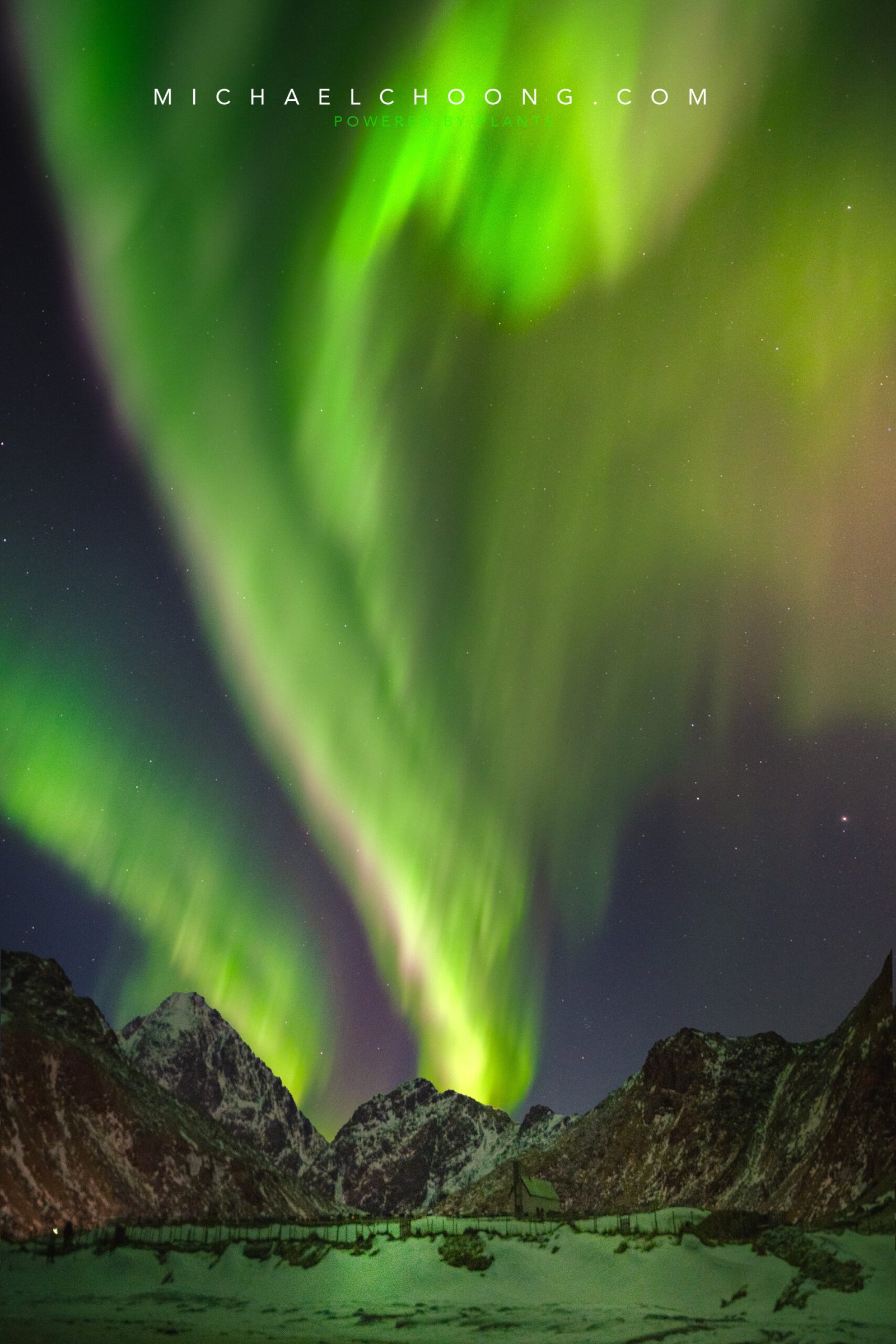
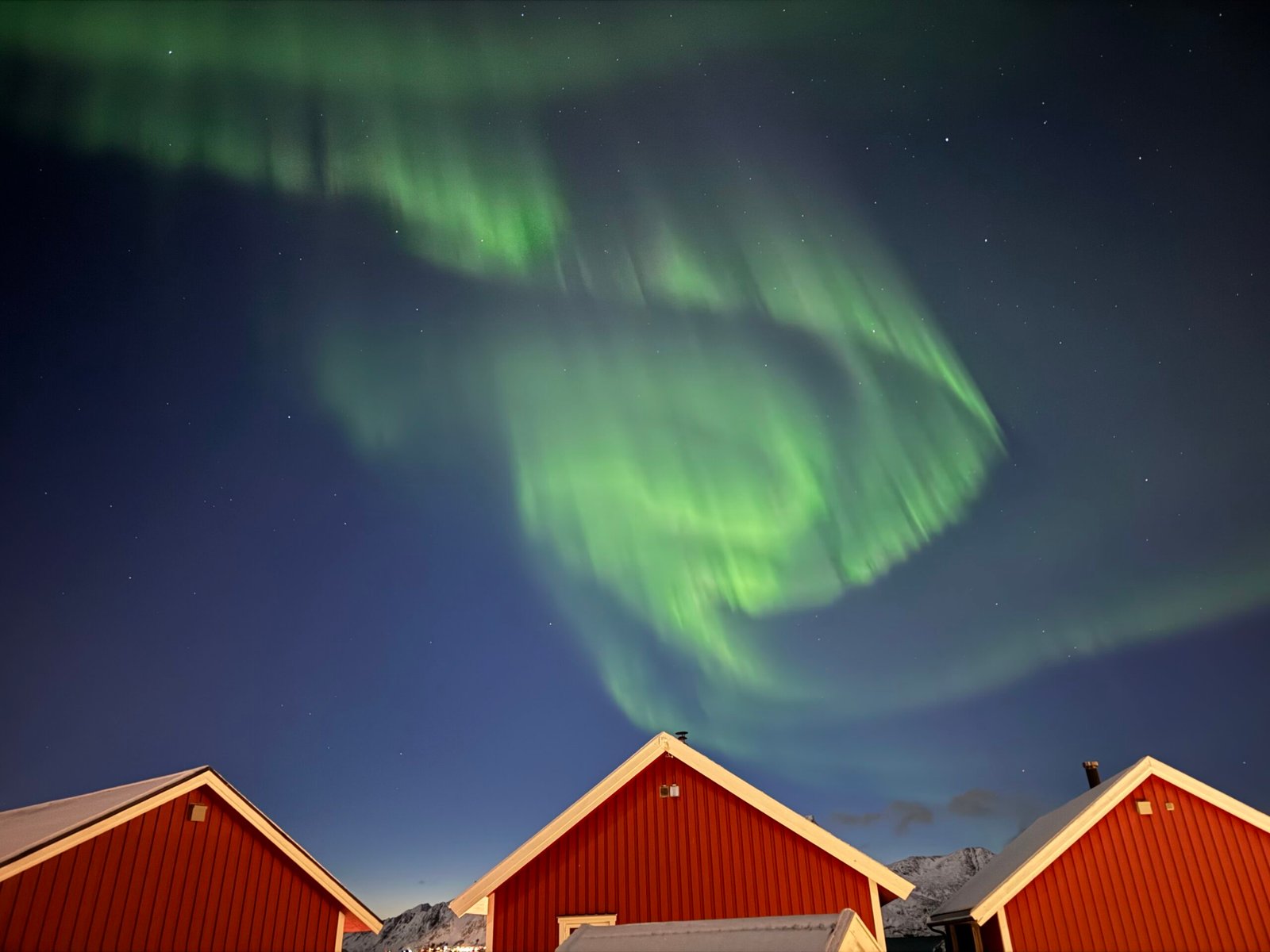
- Curtains & Draperies – Vertical waves that ripple and fold, often moving quickly.
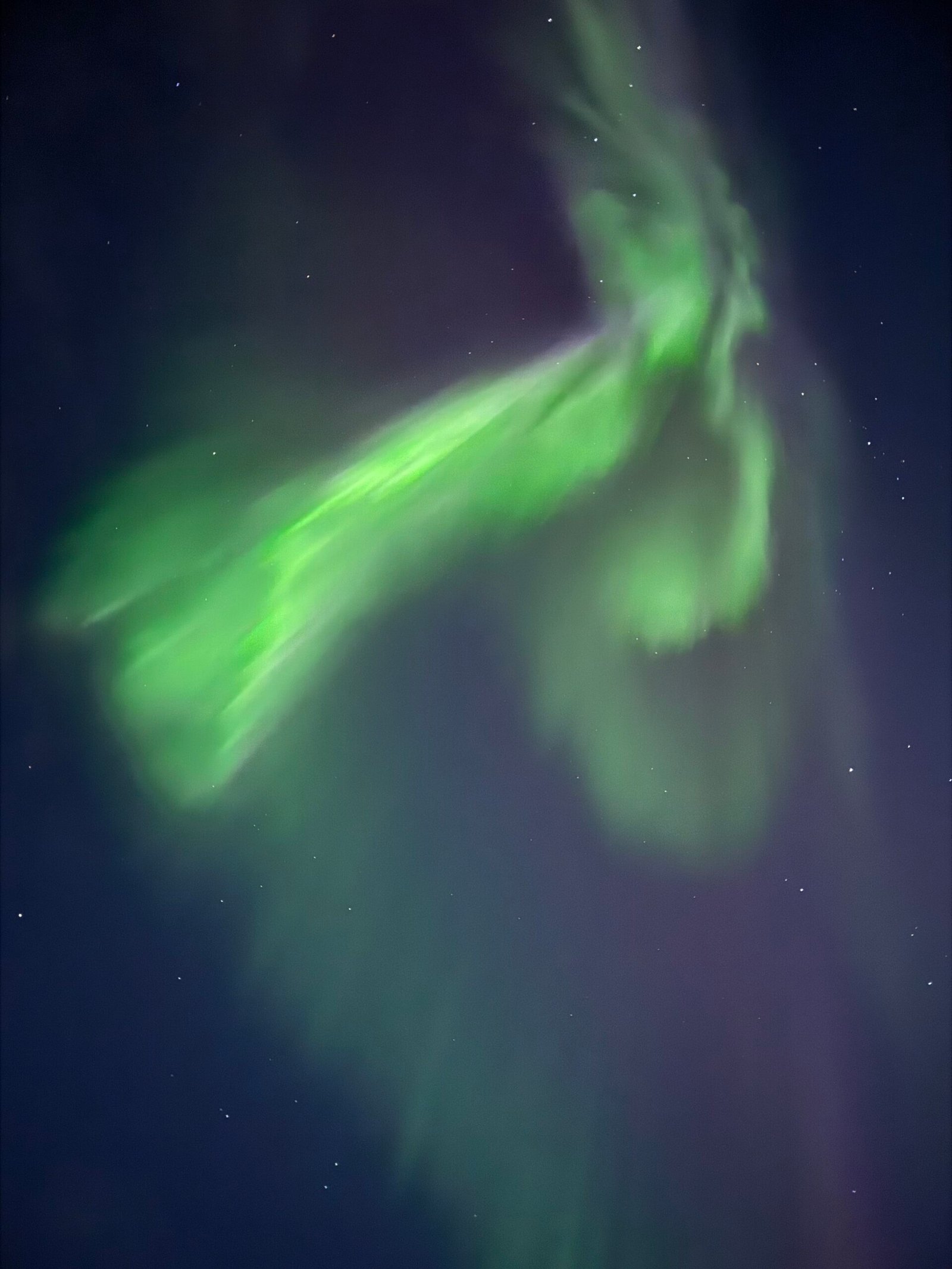
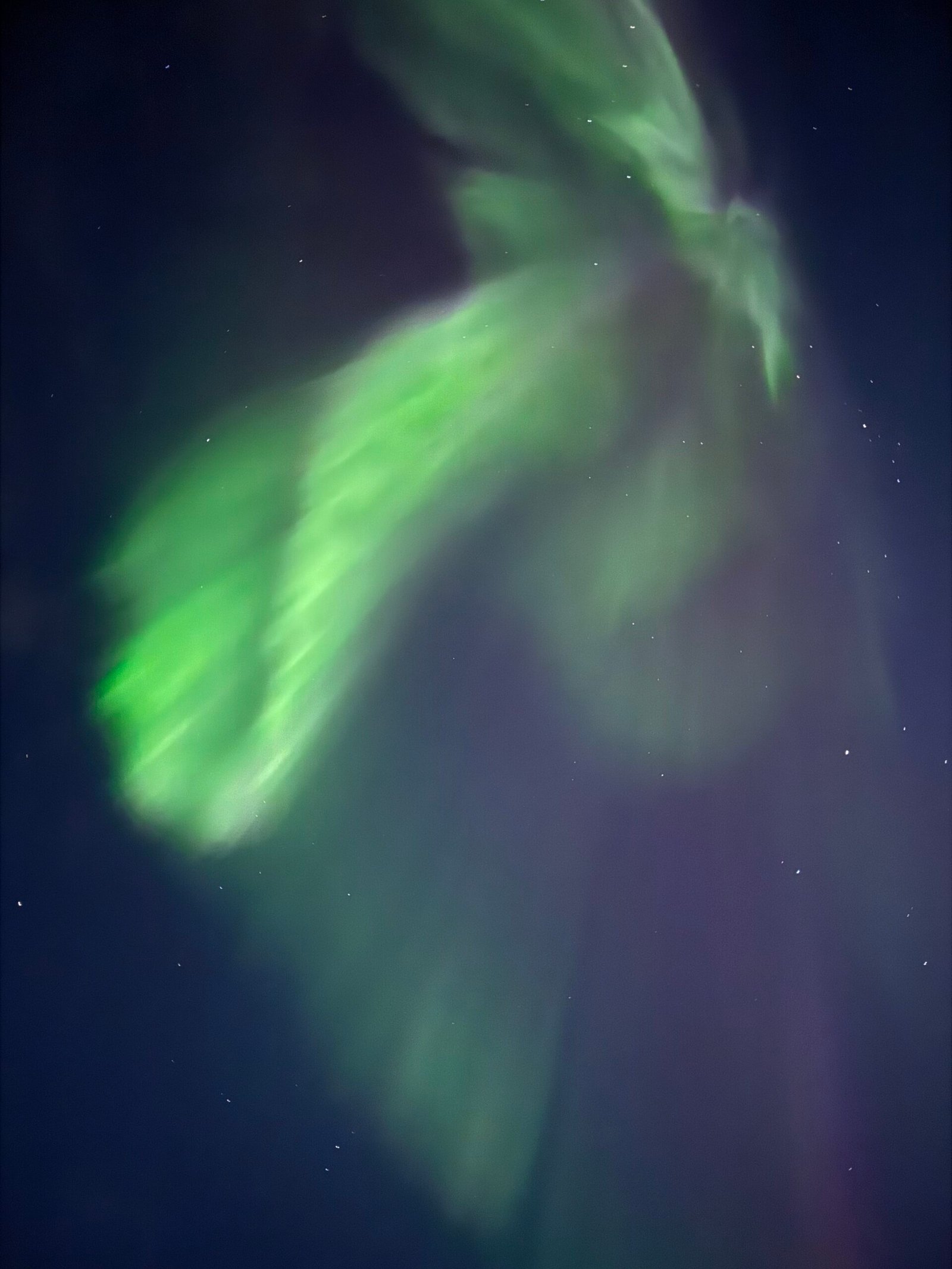
- Coronal Aurora – When the aurora explodes overhead, radiating outward like a crown. Rare, intense, unforgettable.
- Diffuse Glow – Faint but atmospheric, often overlooked — yet magical when paired with a strong foreground.
Every night is different. Some nights whisper. Some nights roar.
How to Photograph the Aurora (Without Overcomplicating It)
Aurora photography isn’t about luck — it’s about preparation and decision-making.
A simple starting point:
- Camera: Any modern mirrorless or DSLR with good high-ISO performance
- Lens: Wide and fast (f/1.4–f/2.8 is ideal)
- Tripod: Non-negotiable
- Settings (as a baseline):
- ISO 1600–3200
- Aperture wide open
- Shutter 2–8 seconds (adjust depending on aurora speed)
But settings are only part of the story.
The real challenge is:
- Reading the sky
- Adjusting quickly as the aurora changes
- Composing with intention in the dark
- And knowing when not to shoot, but simply watch
These are things best learned on location, not from presets or YouTube videos.
Why Photograph the Aurora Now?
This is something many people don’t realise.
We’re currently in a strong solar cycle, meaning aurora activity is more frequent and more intense than in quieter years. On top of that:
- Dark skies are becoming rarer worldwide
- Climate and atmospheric conditions are changing
- True wilderness experiences are harder to find
The aurora will always exist — but access to it, and the conditions to experience it well, may not.
There has never been a better time to go.

Why Lofoten in Winter?
Lofoten isn’t just about aurora frequency.
It’s about context.
Jagged peaks rising straight from the sea.
Snow-covered fishing villages.
Reflections, fjords, bridges, and beaches — all under an active sky.
You’re not just photographing light in the sky.
You’re telling a complete story.
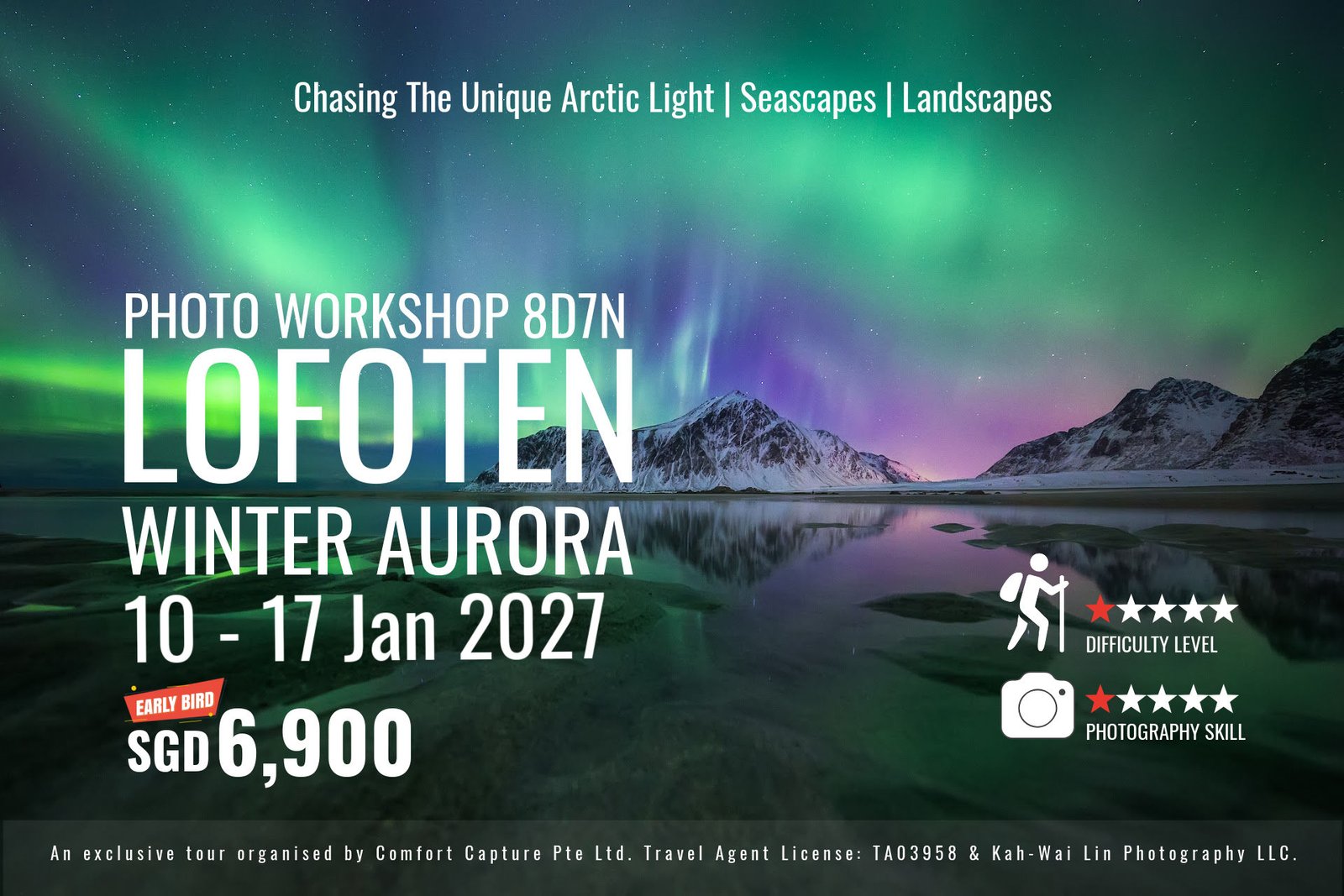
Join Me in Lofoten: Winter Aurora Workshop
📅 13–17 January 2028
If chasing the aurora has been sitting on your “one day” list, this is your sign.
In my winter aurora workshops, I focus on:
- Understanding aurora behaviour (not guessing)
- Shooting with intention, not panic
- Strong compositions with meaningful foregrounds
- Working efficiently in cold, dark conditions
- And most importantly — enjoying the experience, not just chasing photos
You’ll come home with images you’re proud of — and memories that stay long after the lights fade.
The aurora doesn’t wait.
And neither should you.