
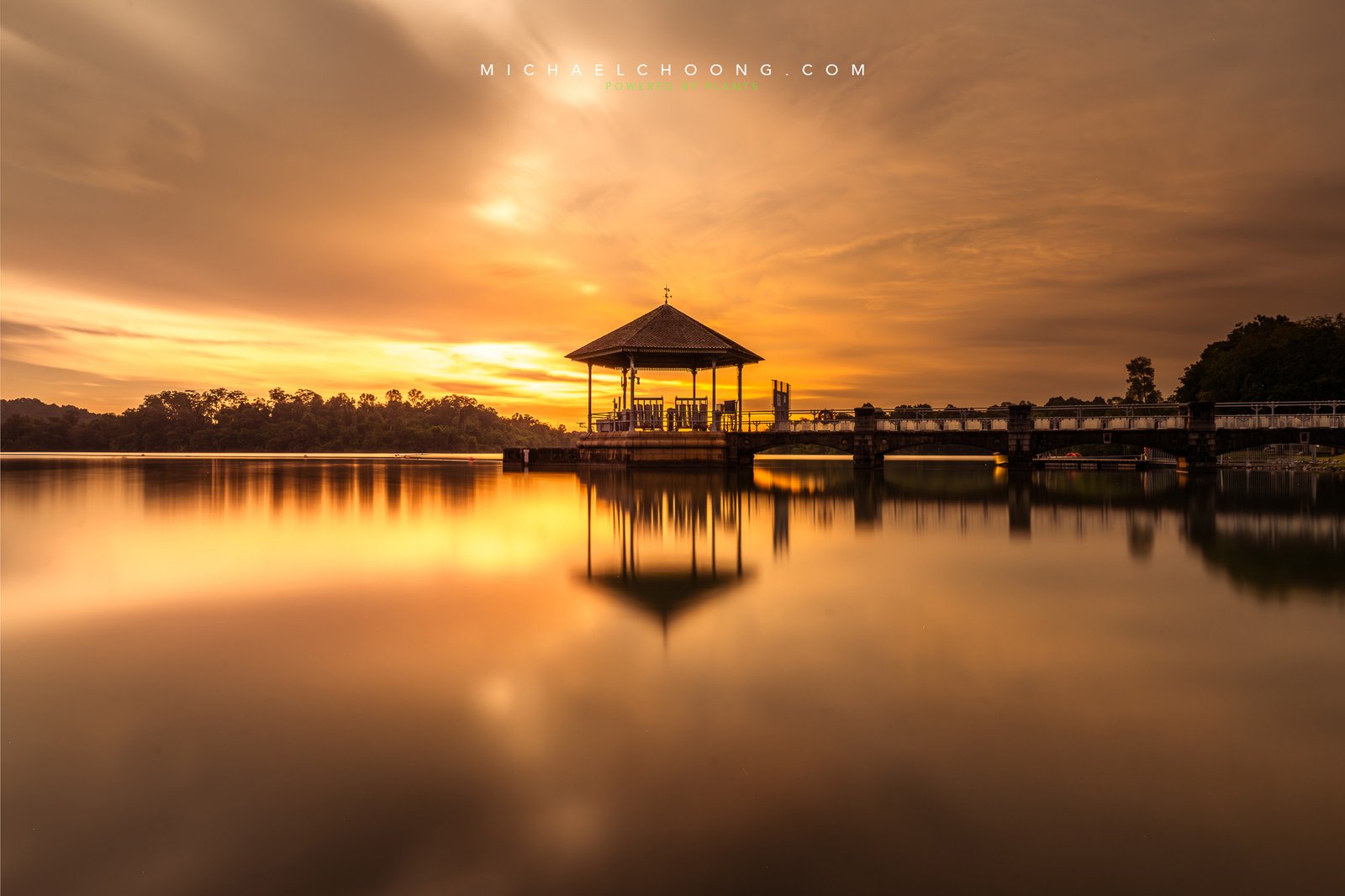
Last Wednesday at Lower Peirce Reservoir proved it. The sky went from soft gold to deep red, almost burning. Everyone left happy. Cards full, smiles bigger.
But here’s the twist.
Most people think they need the sun in the frame to make a strong photo. They see clouds and assume it’s a wasted trip. I hear it all the time. “No sunset today.” “No sunrise.” They pack up or give up too early.
They’re chasing the wrong thing.
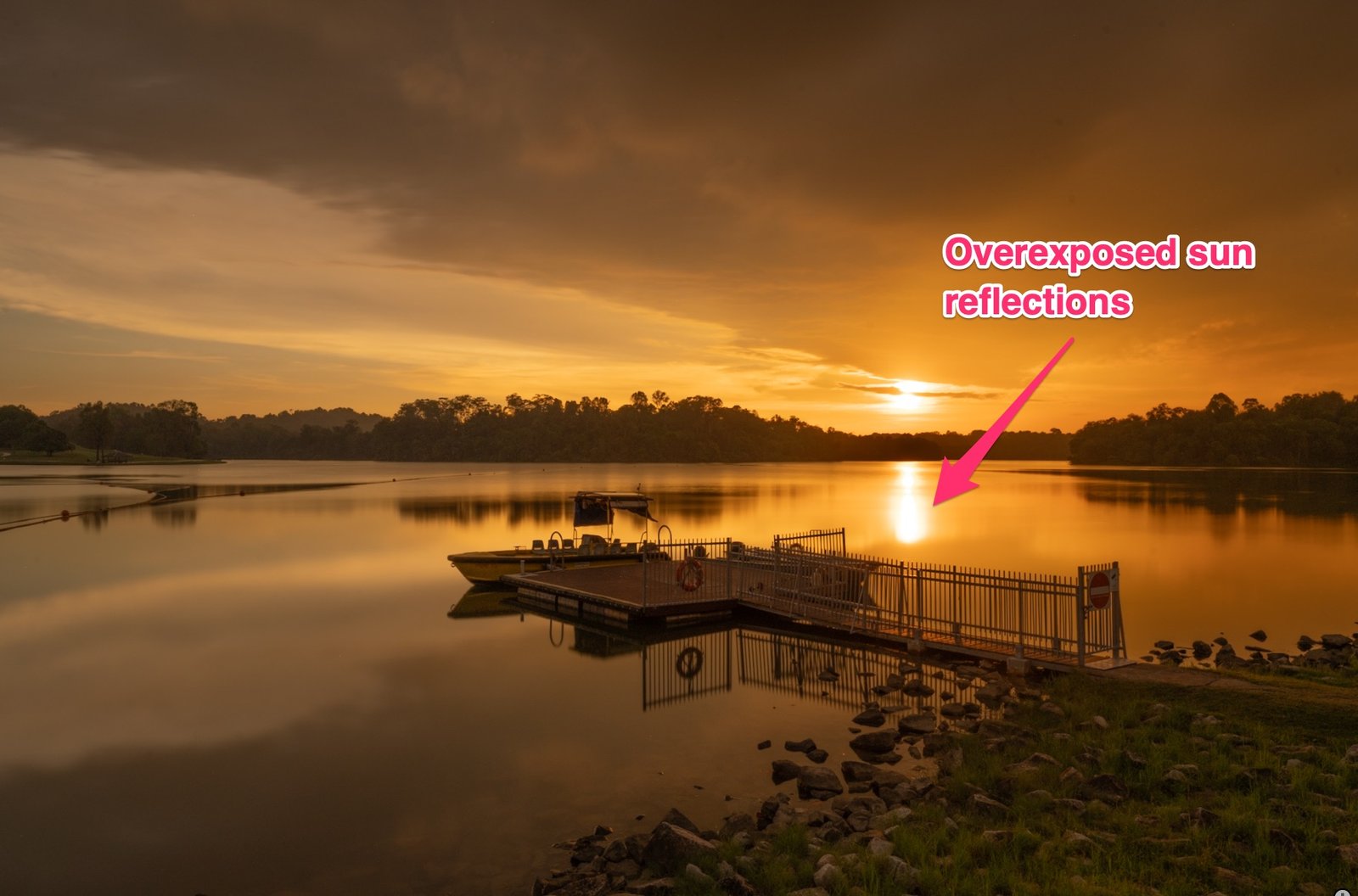
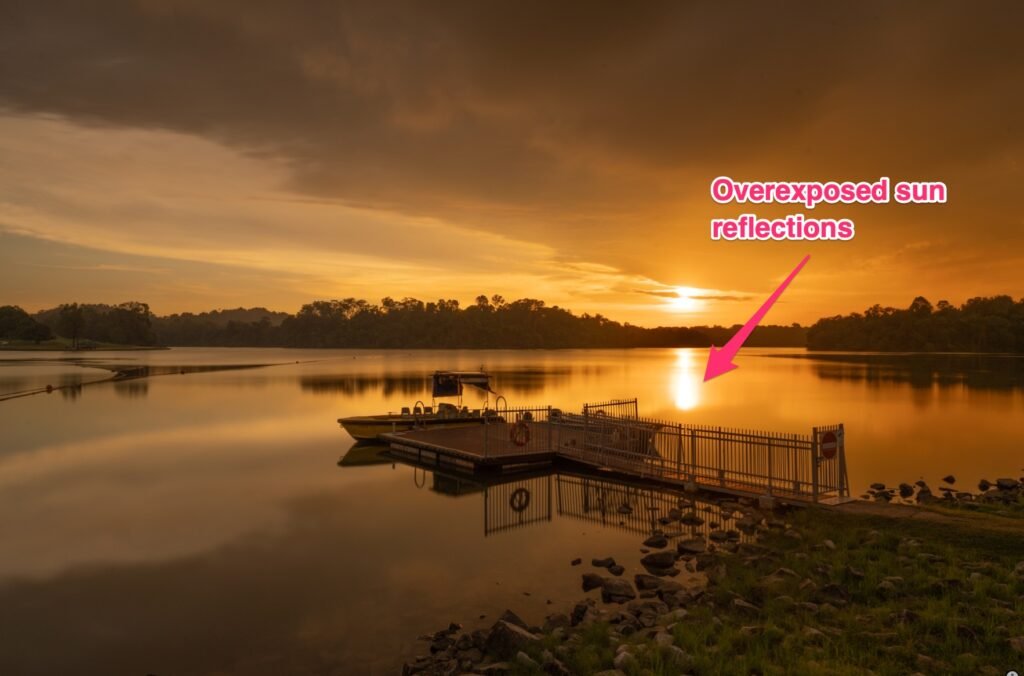
When the sun is visible, the scene is often too bright. The sky washes out. Colours get weak. Highlights blow easily if you’re not careful. Yes, you can get a sunburst at f16 or higher. It looks nice. But it’s not always the most powerful image.
The magic often comes when the sun disappears.
After sunset, or just before sunrise, the light softens. The sky starts to hold colour. Reds, purples, deep blues. The contrast drops. You gain control. Add a bit of long exposure and the scene becomes calm, even cinematic.
This is when seascapes and landscapes come alive.
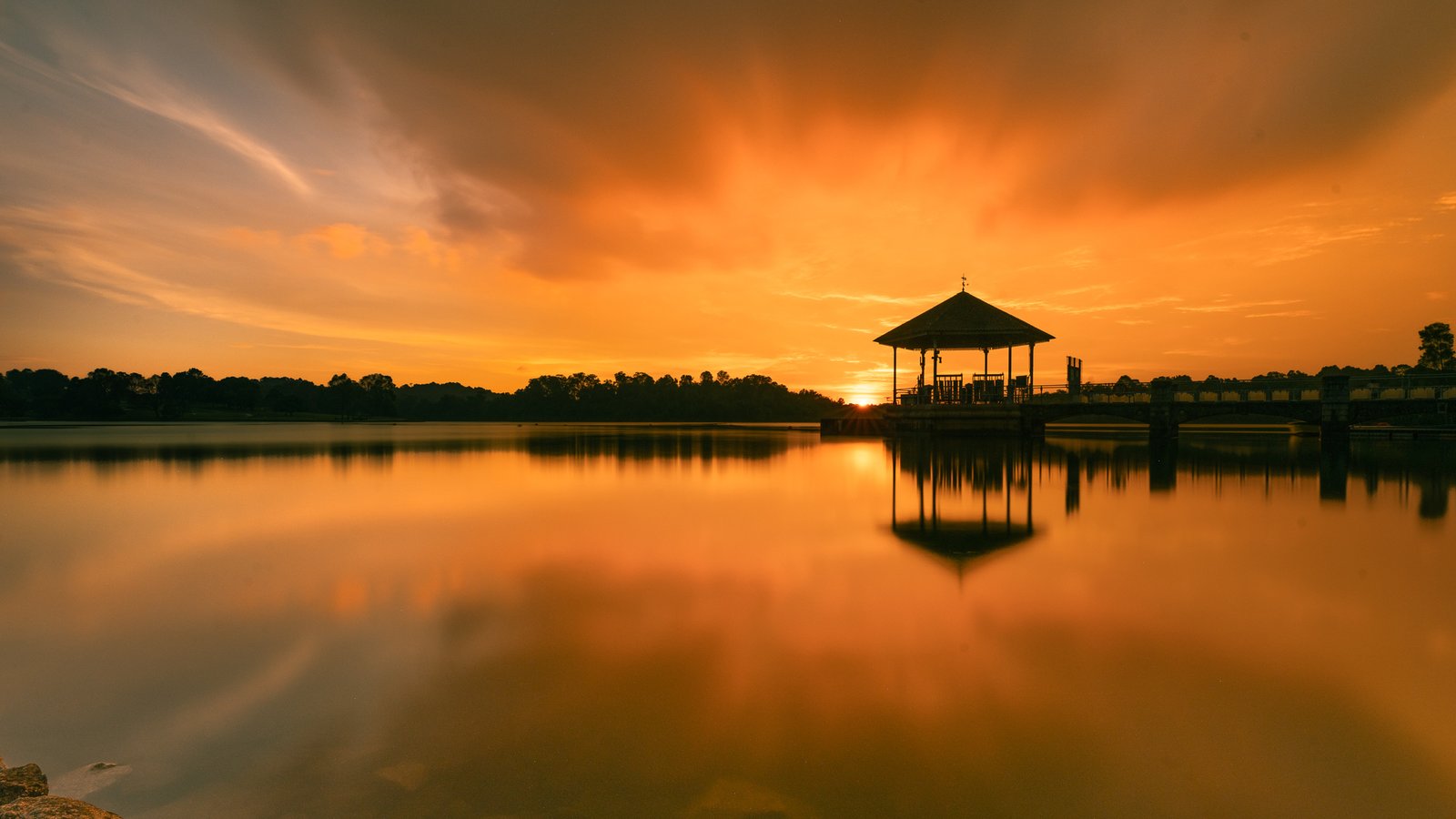
Some of the strongest images come from what most people call “bad weather”. Heavy clouds. Moody skies. Flat light. It feels uninspiring at first. But that’s where depth and emotion live. That’s where award winning images are made.
So is the sun important?
Yes. But not in the way most think.
It’s not about seeing the sun. It’s about understanding what the light is doing.
Next time you’re out, don’t leave when the sun hides.
Stay 15-20 minutes longer.
