
Photography isn’t just about capturing what we see—it’s about organising the chaos of nature into images that connect with viewers emotionally and visually. One of the most powerful ways to do that is by recognising and using patterns in the natural world to create compelling compositions.
Predominant patterns in landscapes help add structure, guide the viewer’s eye, and create impact—especially when paired with strong visual hierarchy (a clear primary subject).
What Are Compositional Patterns?
In photography, patterns are repeating forms—shapes, textures, lines, colours—that occur naturally in a scene. They can be bold or subtle, wide-reaching or intimate—but when used thoughtfully, they help organise your frame and make your images feel intentional.
Patterns work by tapping into how our brains naturally recognise order in complexity, turning what might be a chaotic scene into something visually harmonious.
Five Excellent Patterns to Look For in Nature
Here are five compositional patterns worth finding and using:
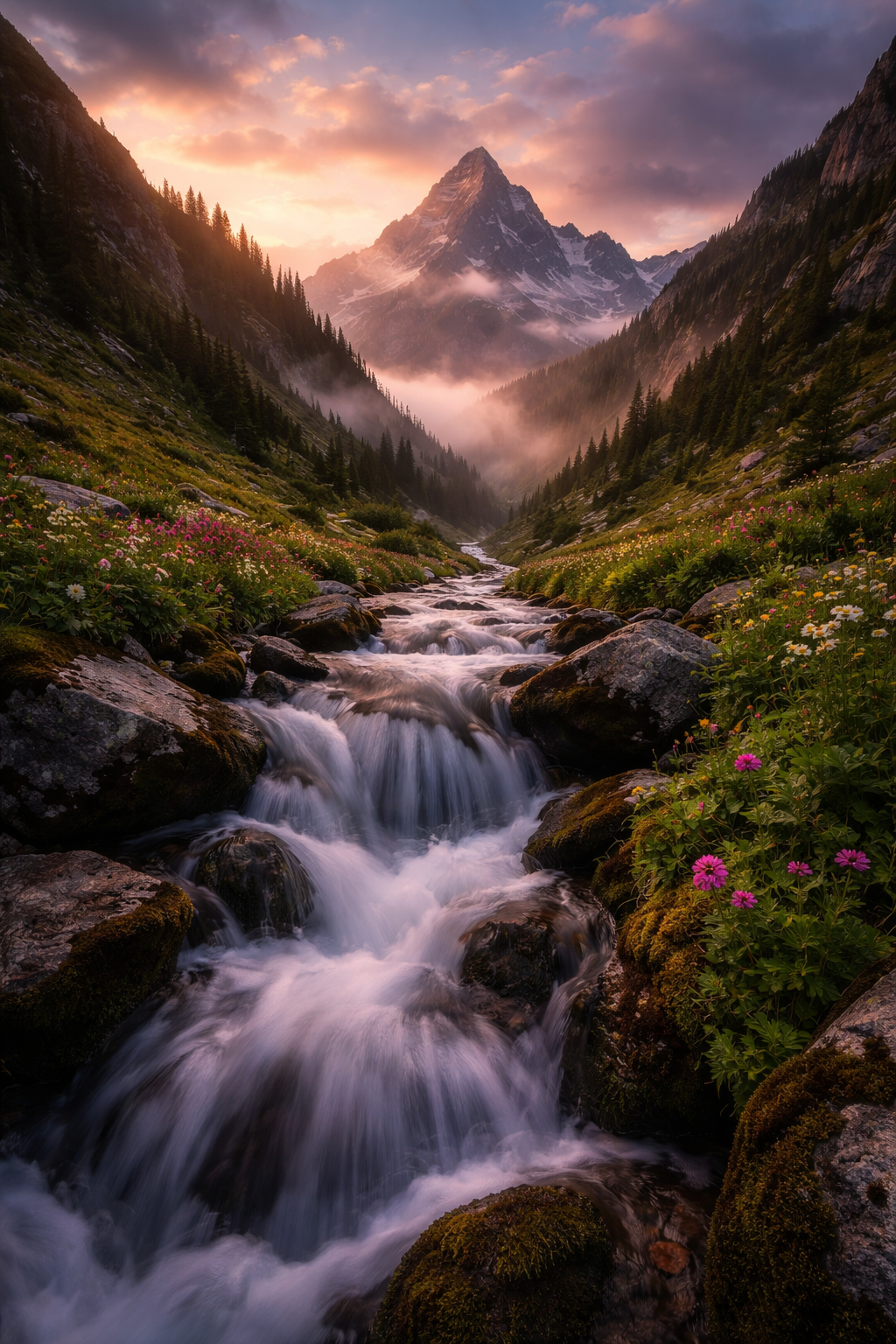
1. The Plunge
This pattern draws the eye from foreground into the depth of a scene. Imagine rocks or plants leading the eye towards mountains or mist in the distance—it’s like a visual “path” your viewer’s gaze follows.
Use it to create a sense of journey and depth in your landscape shots. Make sure the leading elements are dominant and clearly expressed so they guide the eye effectively.
2. The Echo
When two elements repeat similar shapes or forms—like trees echoing the slope of a hill or cloud shapes repeating patterns in rock—you get a visual “echo.”
These relationships reinforce rhythm and unity in your composition and often give viewers that satisfying “aha!” moment.

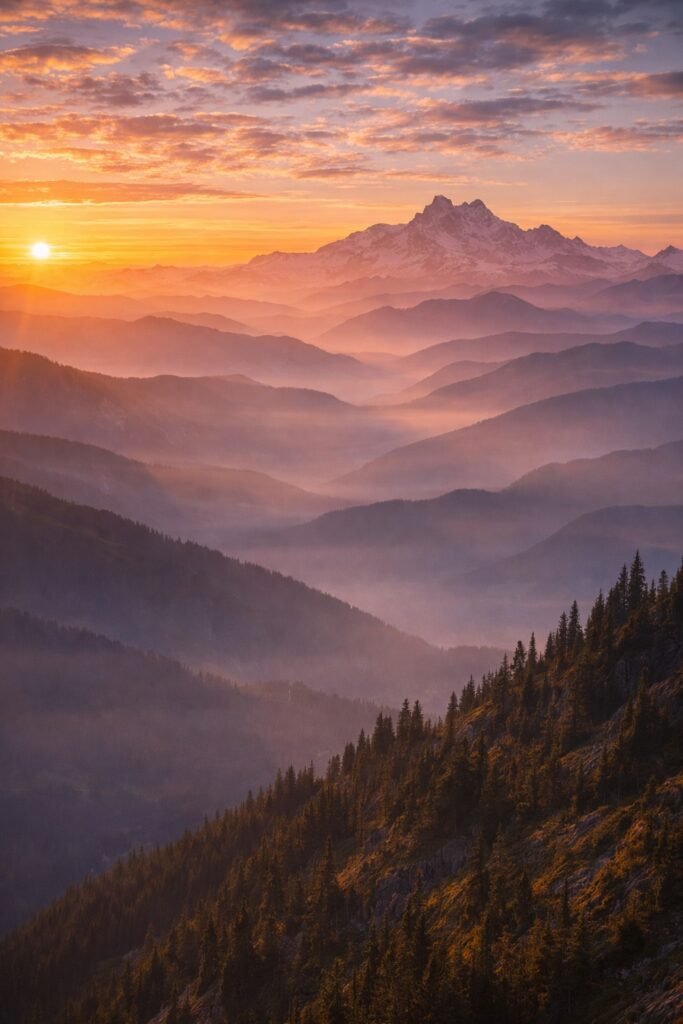
3. The Layer Cake
Stacked layers—whether hills, ridges, or bands of light and shadow—create a beautiful rhythm and depth.
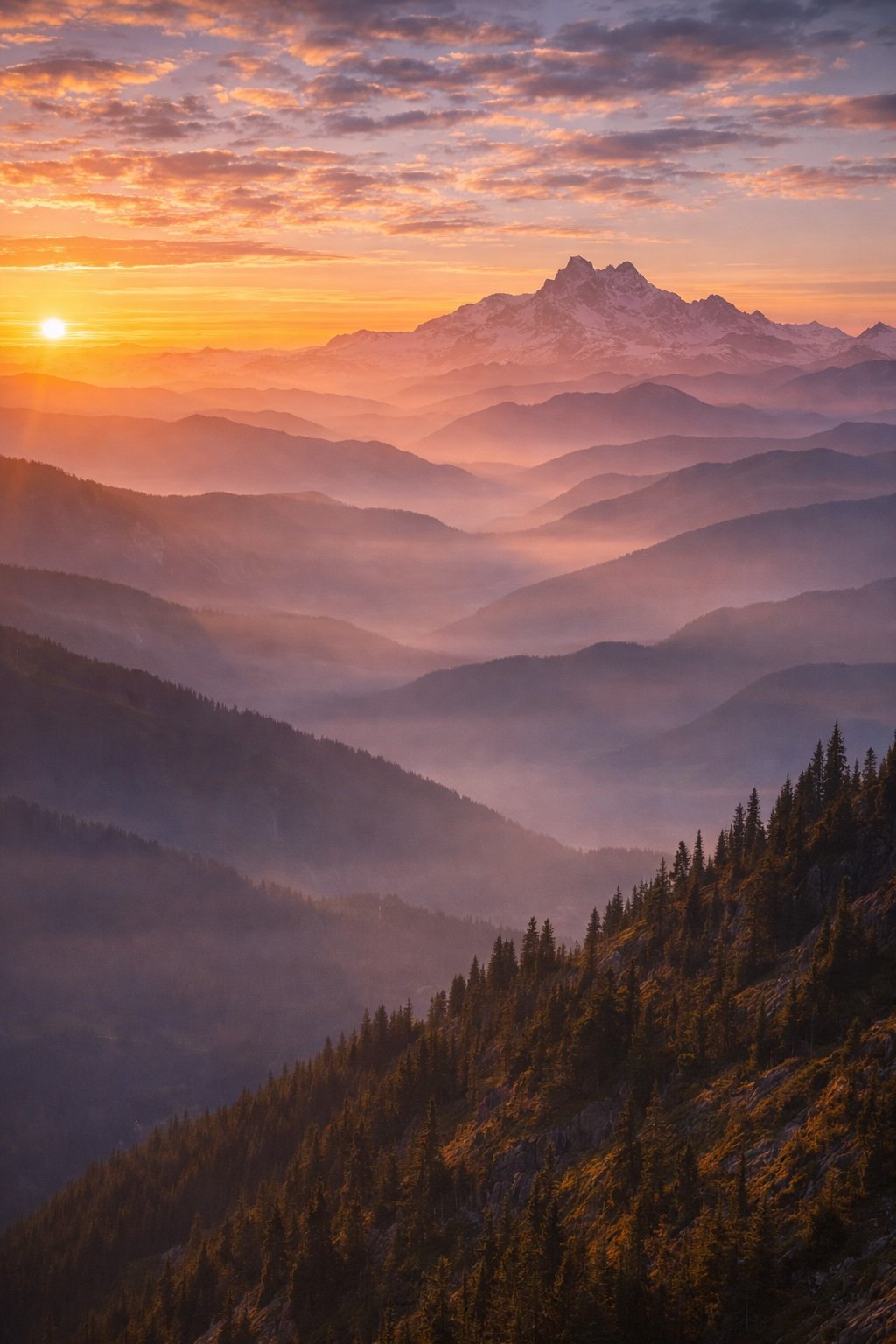
Each layer acts like a musical note, giving your photo a cadence that’s pleasing to the eye. Choose scenes where layers are clearly separated visually, ideally with differences in tone or light.
4. The Arrow
Diagonal lines—from ridges, rivers, or light—can lead the eye towards your main subject like an arrow pointing to a target.
This pattern is subtle but powerful: it gives your image direction, energy, and a sense of motion.
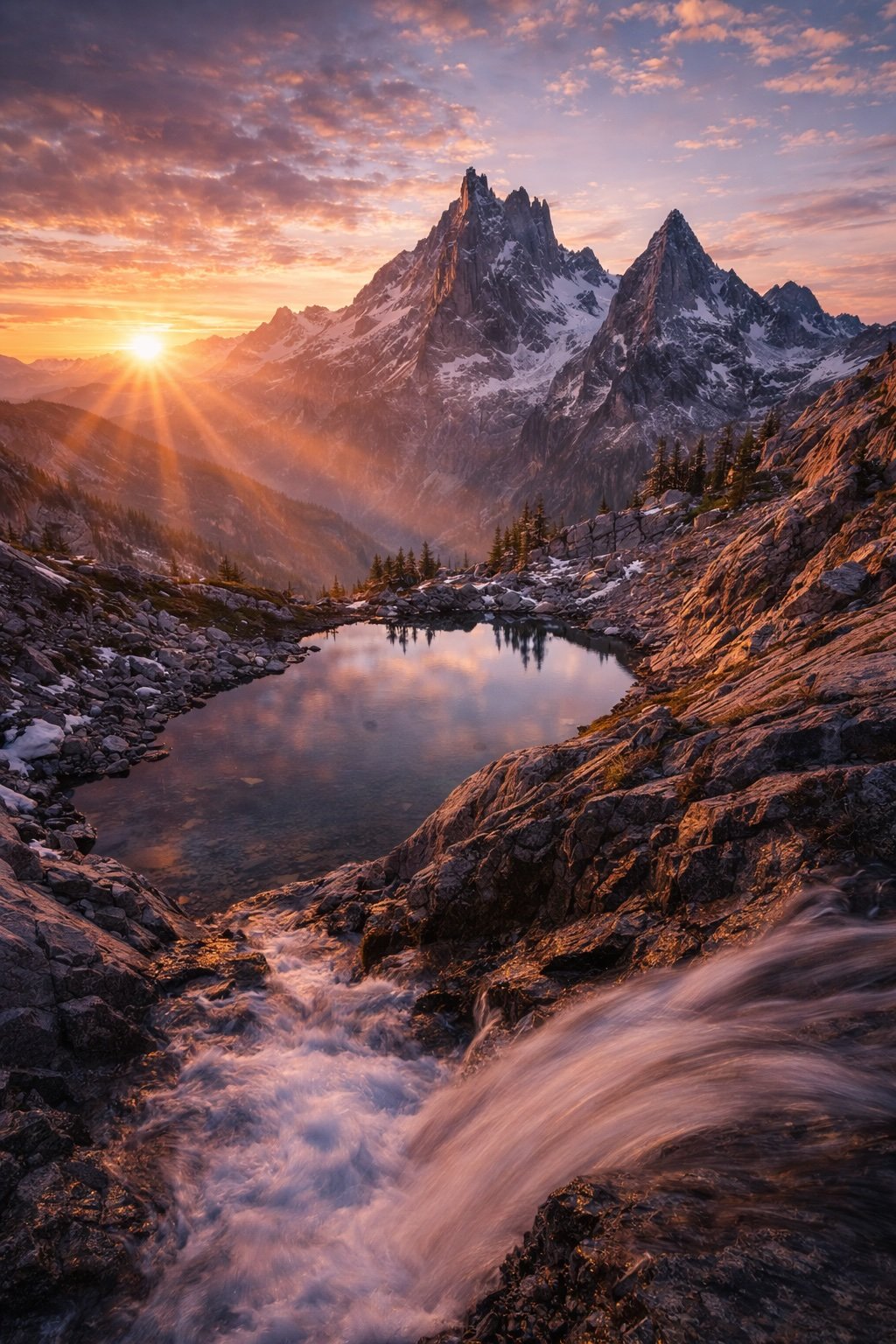
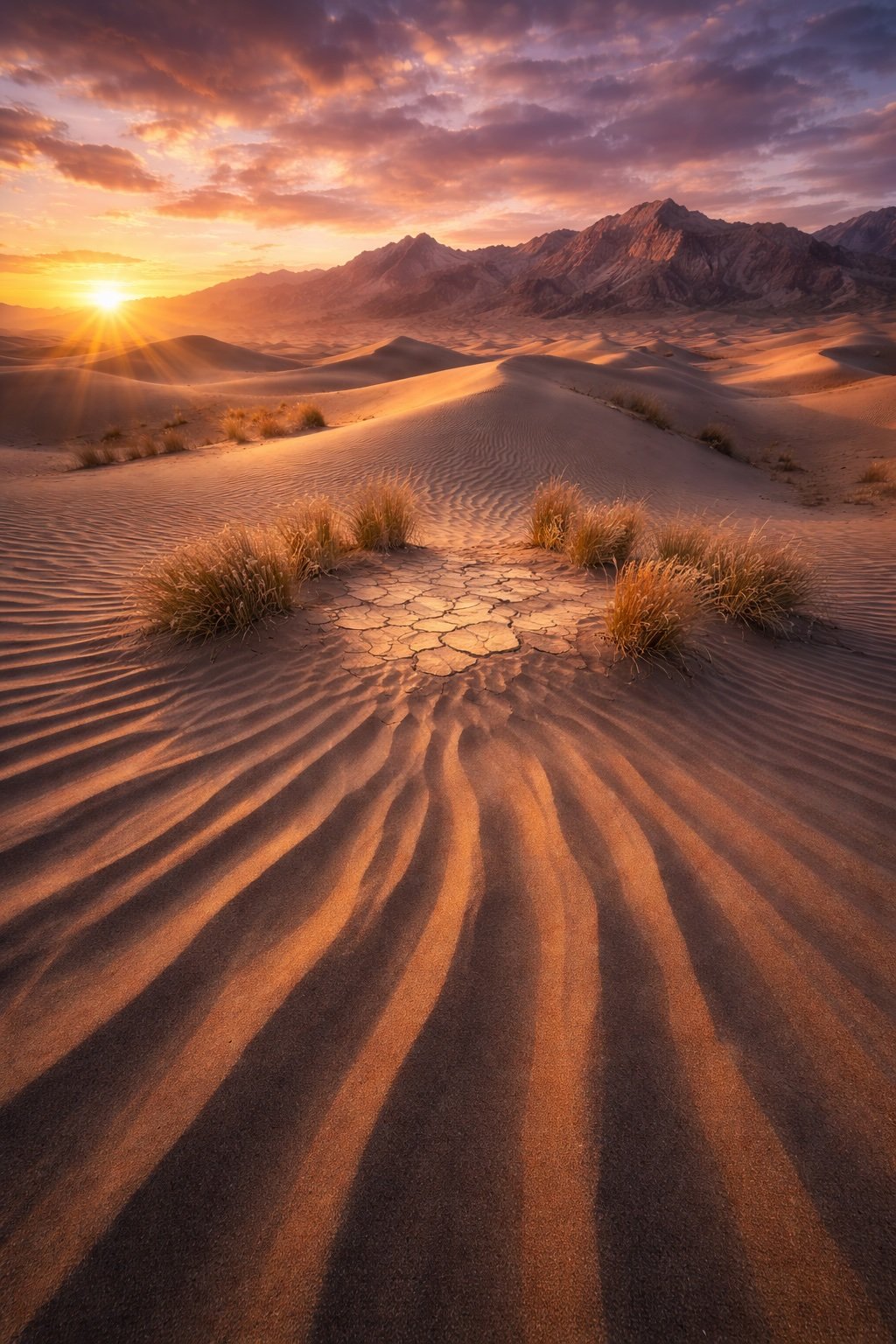
5. The Hub
In this pattern, multiple forms converge on a central point—perhaps branches, ridges, or lines in the sand—drawing attention to the heart of the scene.
A well-executed hub can make your viewer stay and explore the photo rather than glance and move on.
Why Patterns Matter
Patterns do more than just look attractive. They help:
- Guide the viewer’s eye
- Bring rhythm and flow to your image
- Create order from visual complexity
- Enhance storytelling through structure
And once you begin actively searching for them, you’ll start noticing patterns everywhere—from landscapes to close-ups.
Putting Patterns to Work
A few ideas for your next outing:
- Slow down and scan the scene—what repetitions or lines stand out?
- Experiment with angles—sometimes a slight shift reveals a stronger pattern
- Think hierarchically—how can your patterns support your main subject?
Remember, patterns don’t replace other composition tools like the rule of thirds, leading lines, or negative space—they work together to tell your visual story.
Final Thought
Patterns in nature are everywhere—waiting for your eye to find them, frame them, and make them sing. The more you practise seeing them, the stronger and more intentional your compositions will become. So head out with purpose, look deeper, and let patterns help you craft images that stay with your viewers long after they scroll
