
Every winter, I hear the same thing about photographing the Northern Lights:
“You’re lucky.”
“You were there at the right time.”
“Just turn up and the lights will appear.”
Right now, I’m in Lofoten, Norway, running a winter aurora photography workshop with a group of photographers. And after many long, cold nights together, I can confidently say this:
Aurora photography has very little to do with luck.
It’s about preparation, decision-making, and learning to see — especially in the dark.
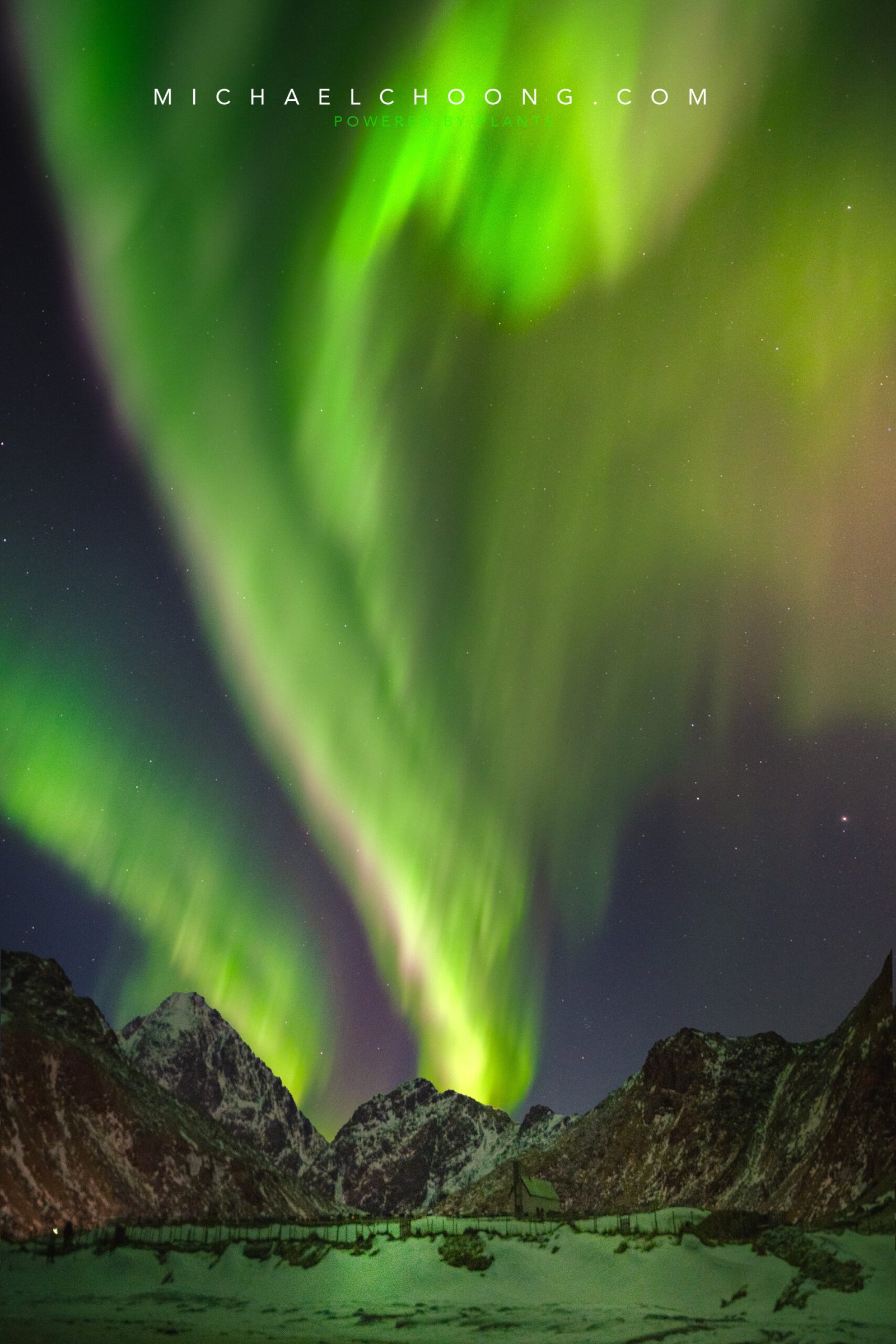
Preparation Beats Luck (Every Single Time)
Yes, solar activity matters. Yes, weather matters.
But what most people don’t see is everything before the shutter is pressed.
In Lofoten, preparation starts long before nightfall:
-
Studying weather systems and cloud movement
-
Watching solar forecasts, but not obsessing over KP numbers
-
Scouting locations during daylight
-
Knowing which valleys trap clouds and which coastlines clear faster
-
Managing sleep, meals, and energy so you’re sharp at 2am
On this workshop, we don’t just “chase the aurora.”
We prepare for it — and adapt constantly when plans change.
That’s not luck. That’s intention.
Why Many Aurora Photos Fail (Even During Strong KP)
One of the biggest surprises for many photographers is this:
Strong aurora doesn’t guarantee strong photos.
I’ve seen:
-
Blown highlights because exposures were too long
-
Soft images from missed focus
-
Flat compositions with no foreground
-
Chaotic skies with no structure or story
The aurora might be dancing wildly overhead, but without thoughtful choices, the image often falls apart.
The sky alone isn’t enough.
Slowing Down to See the Landscape
One thing I emphasise strongly during this workshop is slowing down.
When the lights first appear, excitement takes over — and that’s normal. But after the first few frames, we pause.
We look at:
-
The shape of the mountains
-
Reflections on snow or water
-
Leading lines in the foreground
-
Balance between sky and land
In Lofoten, the landscape is just as important as the aurora itself. Teaching photographers to see in low light — not just react — is one of the most valuable skills they take home.
Camera Settings Are Easy — Decision-Making Is Hard
These days, camera settings for aurora photography are everywhere online.
ISO. Aperture. Shutter speed.
You can memorise them in five minutes.
What’s harder — and more important — is deciding:
-
Where to stand
-
When to move
-
When to stop shooting and wait
-
When to change composition instead of exposure
This is where experience matters. And it’s what we work on night after night in the field.
Why Getting It Right In-Camera Matters Even More at Night
There’s a common mindset now:
“It’s fine, I’ll fix it later.”
But night photography is unforgiving.
Missed focus stays missed.
Blown aurora detail doesn’t come back.
Poor composition can’t be rescued by noise reduction or AI.
That’s why I still believe strongly in getting it right in-camera — especially at night, when every mistake is amplified.
When photographers slow down, think clearly, and shoot with intention, their post-processing becomes simpler — and their images stronger.
Final Thoughts From the Arctic Night
Standing under the aurora in Lofoten is magical, no doubt about it. But the images that truly last aren’t made by chance.
They’re made by photographers who prepare, observe, adapt, and make conscious decisions — even when their fingers are cold and the wind is howling.
Aurora photography isn’t about luck.
It’s about learning how to see in the dark.
Upcoming Lofoten Winter Aurora Photography Workshop (January 10–17, 2027)
If you’re thinking about experiencing Lofoten in winter and learning aurora photography properly in the field, our next Lofoten Winter Aurora Photography Workshop is scheduled for:
📅 January 10–17, 2027
This workshop is organised in collaboration with Comfort Capture Pte Ltd, a licensed tour agency in Singapore registered with the Singapore Tourism Board (STB). All our winter aurora photography workshops are conducted in full compliance with STB requirements.
In Norway, tour regulations are taken very seriously. All our photo guides and drivers are legally authorised, hold commercial driving licences, and operate as licensed tour operators in Norway.
This ensures:
-
Legal and safe transportation in winter conditions
-
Proper insurance coverage
-
Compliance with Norwegian and Singapore tourism regulations
-
Peace of mind for participants
Unfortunately, there are unlicensed tours operating in the Arctic. Joining such tours carries real risks, including detention, deportation from Norway, and potential bans on re-entry for up to two years.
For us, doing things properly isn’t optional — it’s part of our responsibility as educators and tour organisers.
If you value legitimate operations, safety, and thoughtful photographic guidance, you’re very welcome to join us.
More details about the January 2027 workshop can be found HERE.
