
One of the most common questions I get is not about gear or locations.
It’s this:
“Michael, what should I learn next in landscape photography?”
The problem is not a lack of information.
It’s that most photographers are learning everything at once, in no particular order — and that leads to frustration, slow progress, and eventually burnout.
Landscape photography does have a learning path.
It’s just rarely talked about clearly.
Let me share a practical way to think about it.
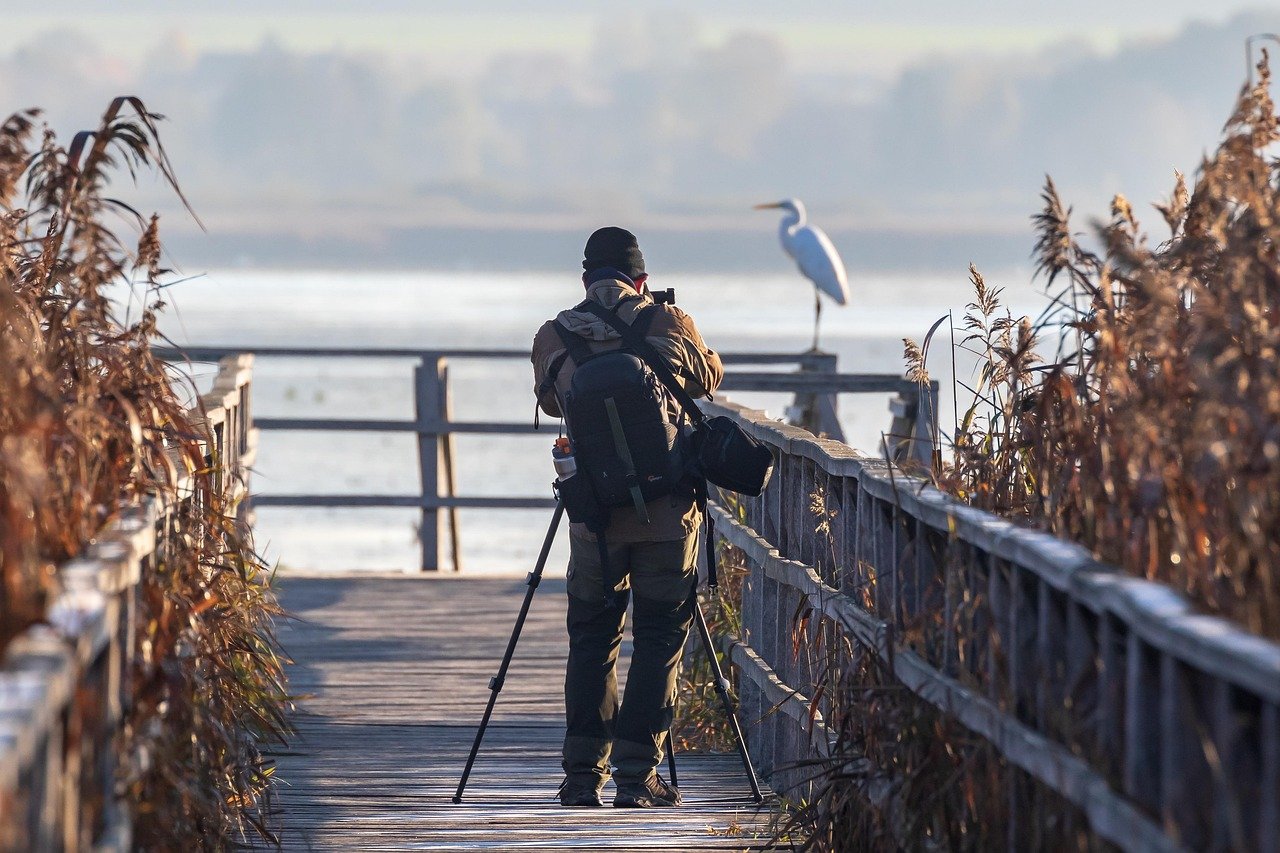
Stage 1: Learning to See (Before Touching Any Camera Settings)
Most beginners think landscape photography starts with:
- Cameras
- Lenses
- Tripods
- Filters
It doesn’t.
It starts with seeing.
At this stage, your main focus should be:
- Recognising light direction and quality
- Understanding why certain scenes feel calm, dramatic, or chaotic
- Noticing foregrounds, backgrounds, and visual balance
This is where many photographers rush ahead — and pay for it later.
What to practice at this stage:
- Shoot in one location repeatedly
- Observe how the same scene changes with time and weather
- Study photos you admire and ask why they work
👉 Gear upgrades won’t help you here. Observation will.
Stage 2: Camera Control (Getting It Right In-Camera)
Once you start seeing compositions, the next bottleneck is technical control.
This is where photographers often rely too much on Auto modes — or over-rely on fixing mistakes later in post-processing.
Key skills to master:
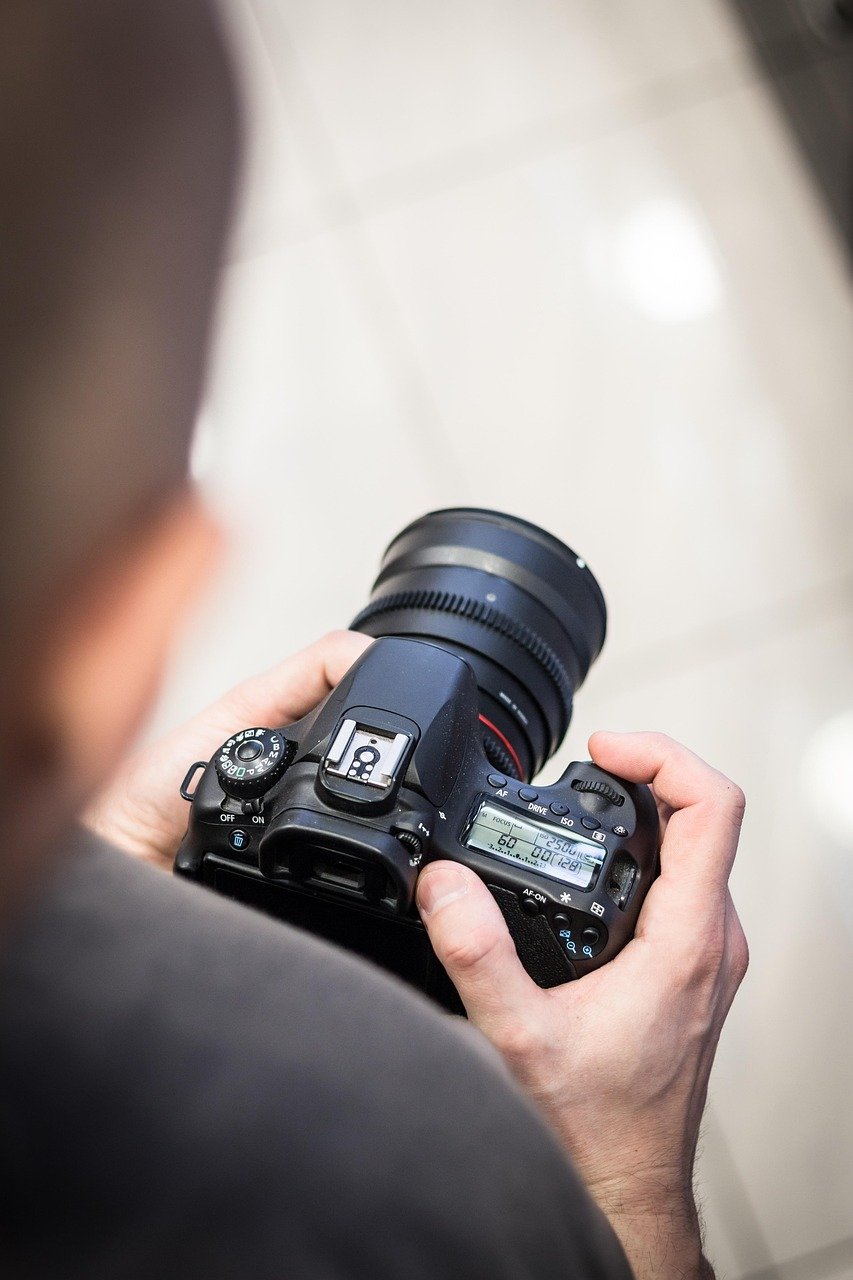
- Shooting in Manual or Aperture Priority with intention
- Understanding aperture for depth, not just exposure
- Knowing when ISO matters — and when it doesn’t
- Using a tripod properly (not just owning one)
This stage is about consistency.
When you press the shutter, you should know:
- Why you chose those settings
- What the final image should look like
Stage 3: Composition With Purpose (Beyond “Rule of Thirds”)
This is where landscape photography becomes expressive.
Rules help — but they are not the goal.
At this stage, you start asking:
- What is my subject?
- What am I excluding?
- Where do I want the viewer’s eye to rest?
Key concepts to explore:
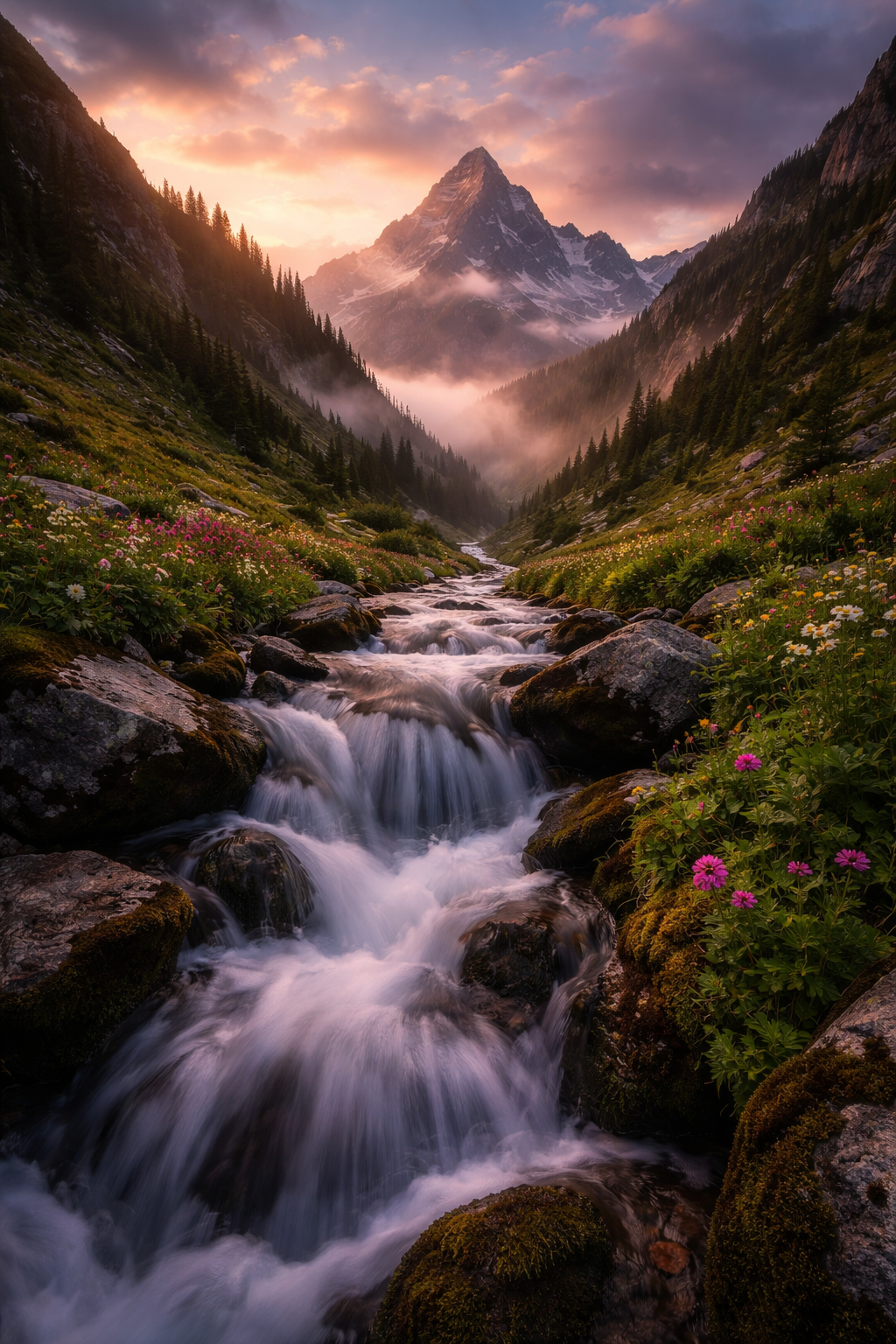
- Foreground-midground-background relationships
- Visual flow and edge control
- Scale and depth
- Negative space
This is also when photographers realise:
A wide lens doesn’t automatically make a strong landscape photo.
Intent does.
Stage 4: Light, Timing, and Patience
Good landscapes are rarely accidental.
At this level, photographers plan:
- Sunrise vs sunset
- Seasonal angles of light
- Moon phases
- Weather patterns
This is where your hit-rate improves dramatically.
You stop chasing photos.
You start waiting for moments.
This is also why workshops and field experience matter — not for secret locations, but for learning how decisions are made on location.
Stage 5: Personal Style and Visual Voice
This is the stage most people skip — or never reach.
Style isn’t:
- A preset
- A colour palette
- A trending look
It’s the result of:
- Repeated choices
- Subjects you return to
- Light you are drawn to
- Restraint in what you don’t photograph
When you reach this stage:
- Your work becomes recognisable
- You shoot less, but better
- You’re no longer chasing validation
And ironically — this is when your photography improves the fastest.

The Biggest Mistake: Jumping Stages
Most frustration in landscape photography comes from:
-
Trying to develop style before mastering basics
-
Buying gear to solve seeing problems
-
Relying on editing to fix weak foundations
There is no shortcut around the learning path.
But there is a faster way through it:
-
Structured learning
-
Field experience
-
Honest feedback
Final Thoughts
Landscape photography is not about how long you’ve been shooting.
It’s about what you’re practising — and in what order.
If you ever feel stuck, ask yourself:
“Which stage am I actually in — and what should I focus on right now?”
That single question can save you years.
Not Sure Where You Are on This Path? You’re Not Alone
If you’re a beginner — or you’ve been shooting for a few years but still feel unsure how to progress further — this is exactly the stage where guided learning helps the most.
Reading and watching videos can only take you so far. Real progress often comes from:
- Shooting regularly with purpose
- Seeing how others approach the same scene
- Getting feedback on your images and decisions
That’s why I run ongoing learning opportunities alongside my workshops.
You’re welcome to:
- Join our Wednesday evening photography outings — relaxed, practical, and focused on learning in the field
- Attend our Thursday photo editing Zoom sessions — where we break down real images and real decisions
- Visit our website to explore all upcoming workshops and photowalks
I’ll also be launching 1-to-1 coaching soon for photographers who want a more personalised learning path and clearer direction.
Stay tuned for that.
Landscape photography is not a race — but you don’t have to walk the path alone.
