

Mastering Autofocus
Autofocus (AF) is one of the most powerful features in modern cameras—yet many photographers only scratch the surface of what it can do. Whether you’re shooting portraits, wildlife, sports, or travel photography, understanding how your camera focuses can dramatically improve the sharpness and impact of your images.
In this guide, we break down AF points, autofocus modes, and the technology behind how AF systems work, using clear examples and practical tips you can apply right away.
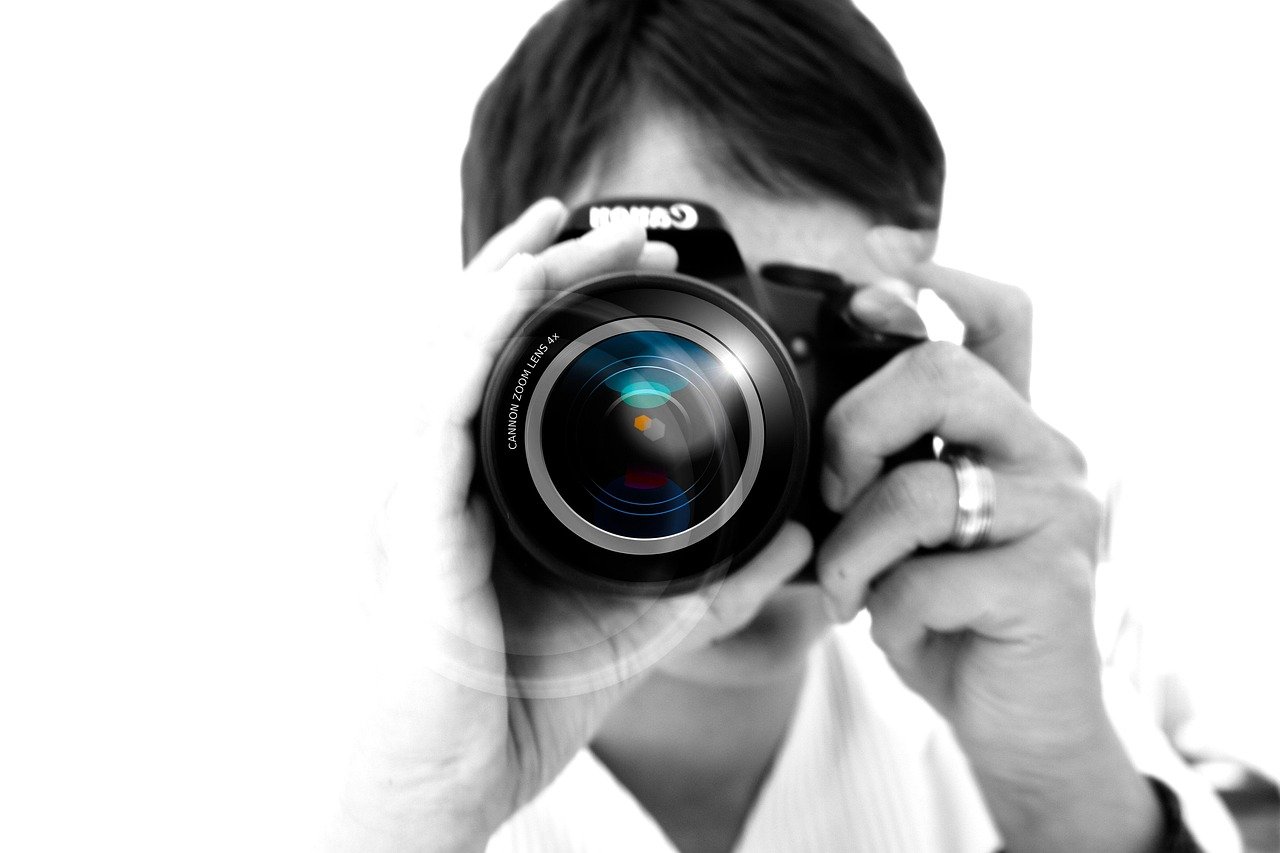
Focus Point Selection:
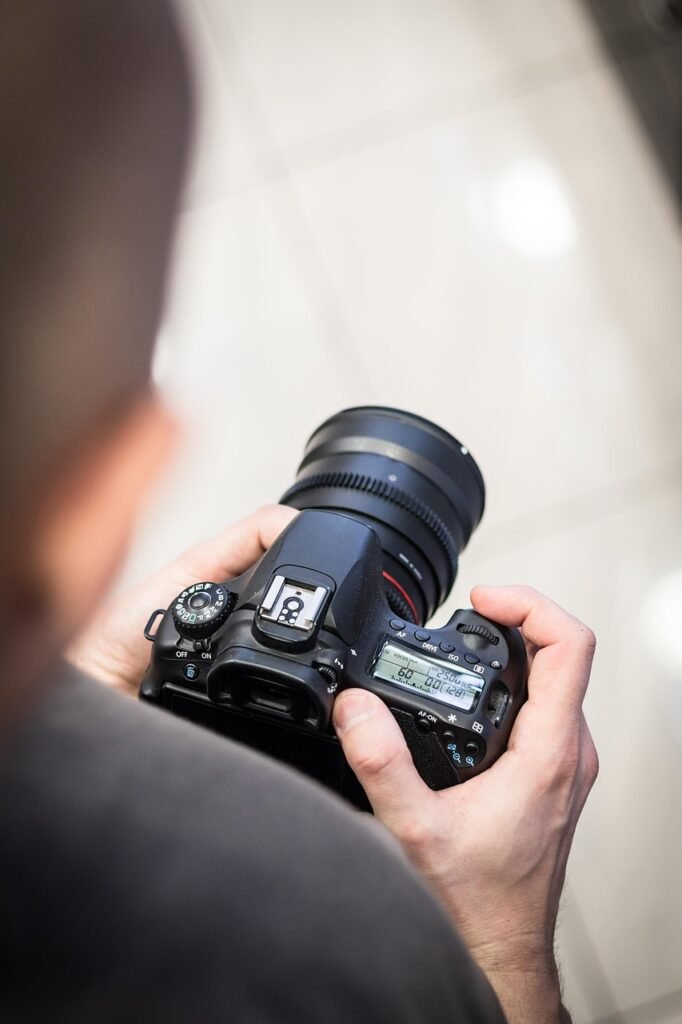
Single-Point AF vs Multi-Point AF
Choosing how your camera selects focus is just as important as choosing the right shutter speed or aperture. Two main options are available in most cameras:
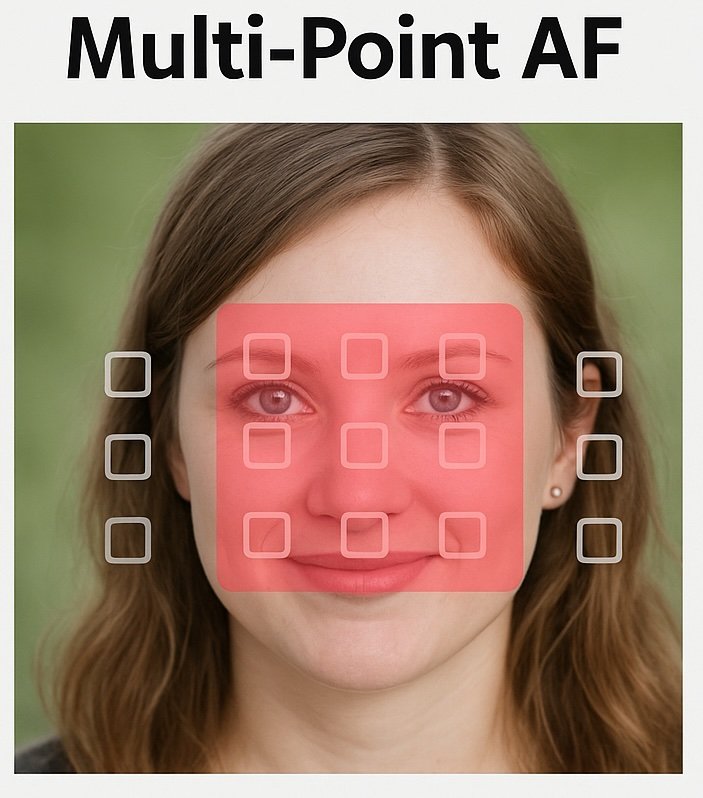
2. Multi-Point AF (for speed and movement)
In this mode, the camera activates many AF points simultaneously. It automatically prioritizes the subject closest to the camera.
Perfect when:
-
Photographing children, pets, or wildlife
-
Capturing moving subjects
-
Shooting action, sports, or fast-paced events
-
Working in scenarios where composition changes quickly
If your subject moves across the frame, the camera switches AF points seamlessly to follow it—a huge advantage when tracking unpredictable motion.
Tip: Multi-point AF is less precise than single-point for portraits or shallow DOF, so use it only when subject movement demands it.
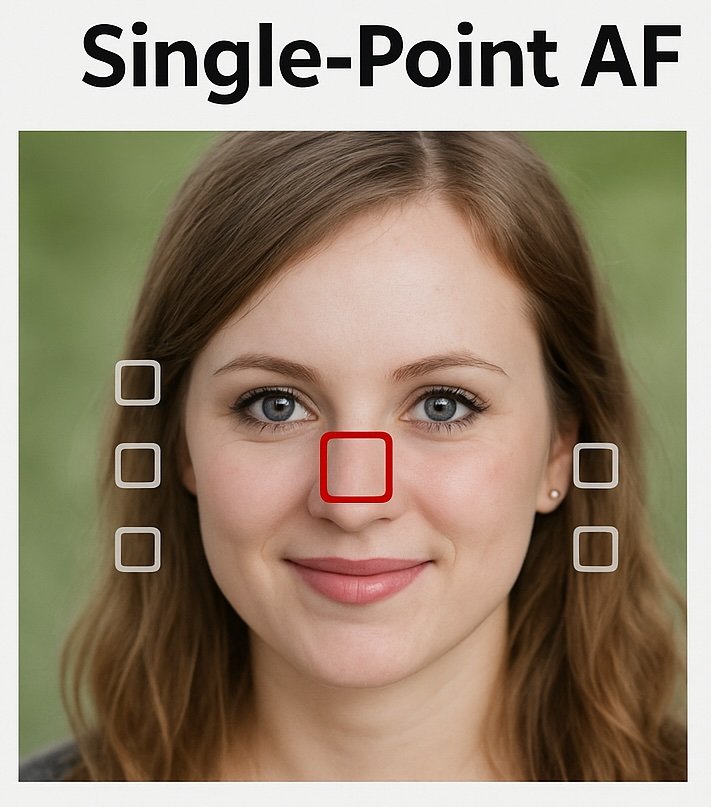
1. Single-Point AF (for precision)
Single-point AF gives you full control by allowing you to decide exactly where the camera should focus.
Perfect when:
-
Photographing portraits
-
Shooting shallow depth-of-field scenes (f/1.8, f/2.8, etc.)
-
Focusing on a subject’s eye
-
Working with off-center subjects
With this method, you position the AF point over the exact part of the subject you want sharp—often the nearest eye in portraiture—then half-press the shutter to lock focus. This ensures crisp results even with very shallow depth-of-field.
Tip: Avoid excessive focus-and-recompose when shooting wide open; slight movement can shift the focus plane. Instead, move the AF point around the frame when possible.
Autofocus Modes: AF-S, AF-C, AF-A & Manual Focus
our camera also lets you choose how it focuses. These AF modes determine whether the camera locks focus or tracks your subject continuously.
AF-S (Single-Shot AF)
Best for still subjects like portraits, architecture, landscapes, and product photography.
- Focus locks once you half-press the shutter
- Ideal for careful composition
- Not suitable for movement
AF-C (Continuous AF)
Best for moving subjects such as sports players, runners, animals, or vehicles.
- The camera continuously adjusts to keep the subject sharp
- Works with multi-point AF for dynamic tracking
- Essential when subjects move unpredictably
AF-A (Automatic AF)
A hybrid mode found in many cameras—switching between AF-S and AF-C automatically depending on subject movement.
Great for:
- Travel
- Street photography
- General shooting situations
Advanced photographers often prefer choosing AF-S or AF-C manually for full control.
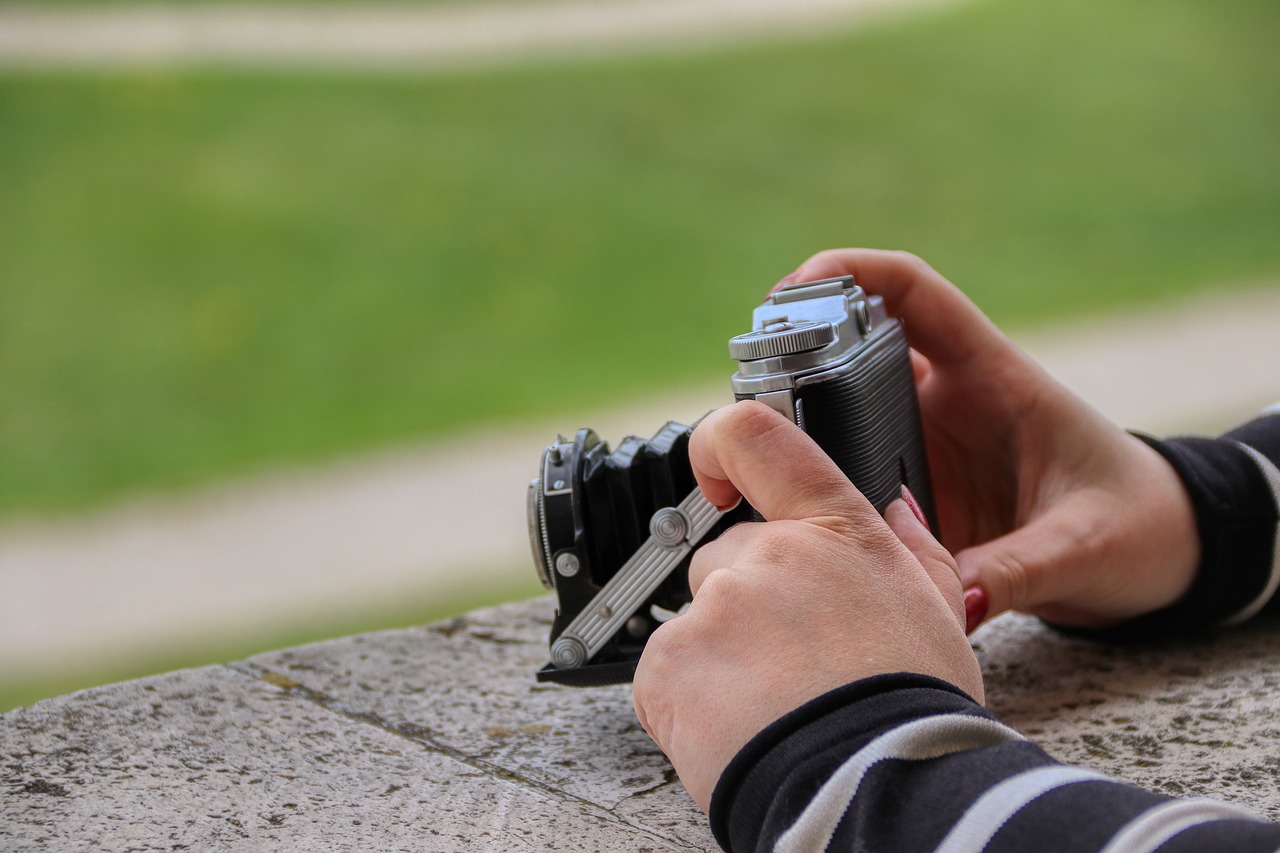
Manual Focus (M)
Even in a world of incredible autofocus technology, manual focus still has its place.
Perfect for:
- Landscapes (focus at hyperfocal distance)
- Macro photography (very shallow DOF)
- Low-light scenes where AF hunts
- Situations requiring absolute precision
Focus peaking, now common on many mirrorless cameras, makes manual focusing easier than ever.
Understanding How Autofocus Works
Modern AF systems are incredibly advanced, but they rely on two main technologies:
Phase-Detection AF
Used in DSLRs and many mirrorless cameras.
Advantages:
- Extremely fast
- Great for tracking motion
- Accurate even in bright or low-contrast situations
Phase detection works by analyzing how light entering the lens splits into beams, then calculating focus based on phase differences.
Contrast-Detection AF
Used primarily in compact cameras and in Live View on many DSLRs.
Advantages:
- Very accurate for static subjects
- Works anywhere in the frame
- Essential for video autofocus
Its limitation: contrast AF can be slower, especially in low light.
Hybrid AF Systems
Most modern mirrorless cameras combine both phase- and contrast-detection, offering the best of both worlds: speed and accuracy.
Advanced AF Technologies
Today’s cameras include powerful focusing tools that make capturing tack-sharp images easier:
Face-Detection AF
Automatically locks onto faces—ideal for portraits and group shots.
Eye-Detection AF
Tracks the subject’s eyes for razor-sharp portraits. A must-have feature for modern portrait photographers.
Smile-Detection AF
Triggers the shutter when your subject smiles—fun for casual portraits and family photography.
Touchscreen Focus
Tap the LCD screen to instantly focus on any part of the frame.
Trap Focus
A clever feature that fires the shutter only when your subject moves into the pre-focused zone.
Conclusion
Autofocus may seem complex at first, but mastering it unlocks dramatically better results. Whether you want beautifully sharp portraits or crisp images of moving subjects, understanding AF points, modes, and technology gives you confidence in any shooting situation.
Ready to take your photography further? Let me know if you’d like a downloadable cheat sheet or a more advanced guide on eye-tracking AF, back-button focusing, or mirrorless focusing systems!
2026 Photo Workshops

Lofoten Winter Aurora
23 - 30 Jan 2026
Michael Choong & Christian H

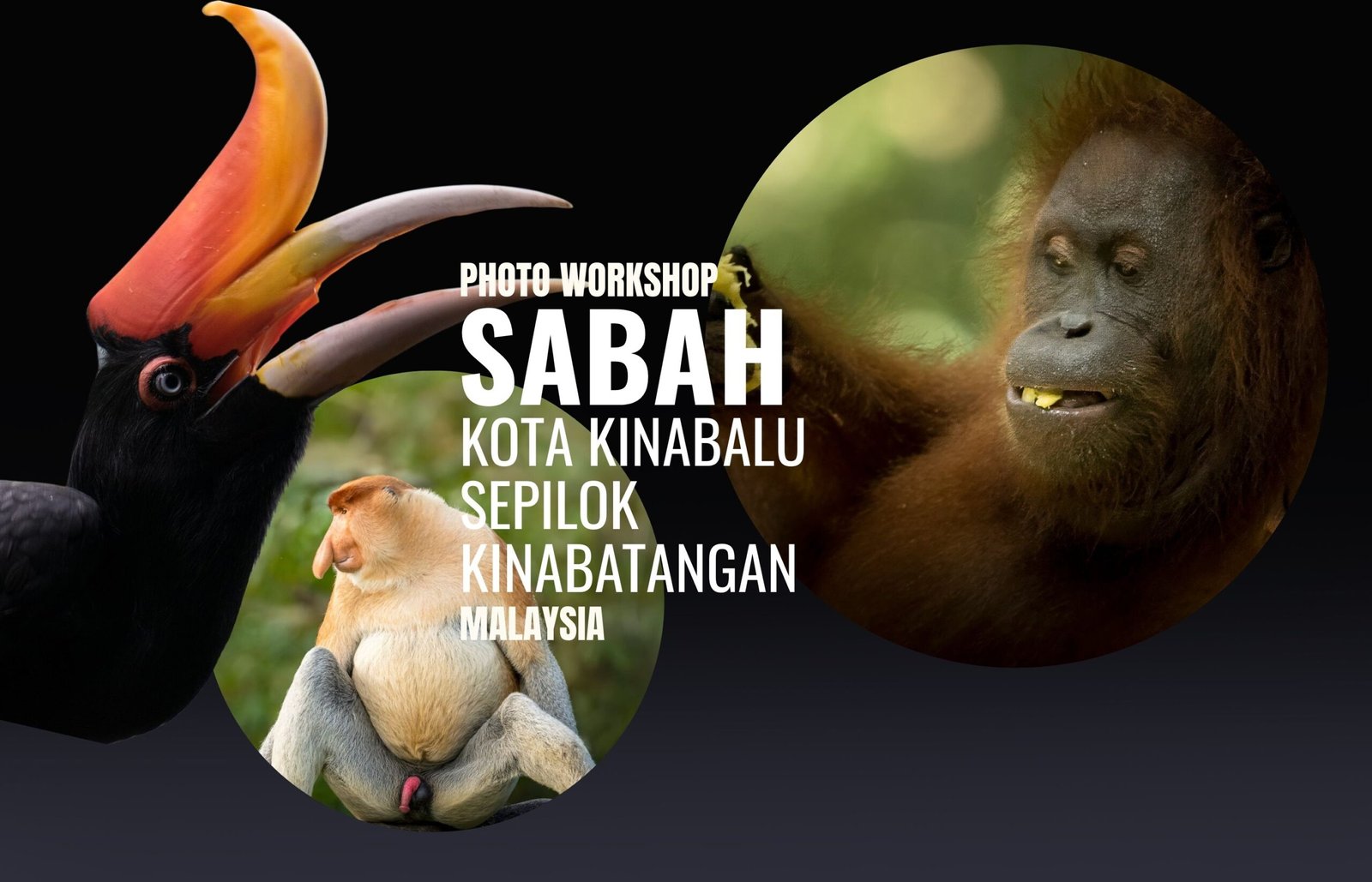
Sabah Borneo Wildlife
18 Apr - 25 Apr 2026 (8D7N)
Michael Choong

West Papua Birding
Michael Choong

Faroe Islands
Michael Choong & Thomas V.

Baliem Valley Festival
6 Aug - 10 Aug 2026 (5D4N)
Michael Choong
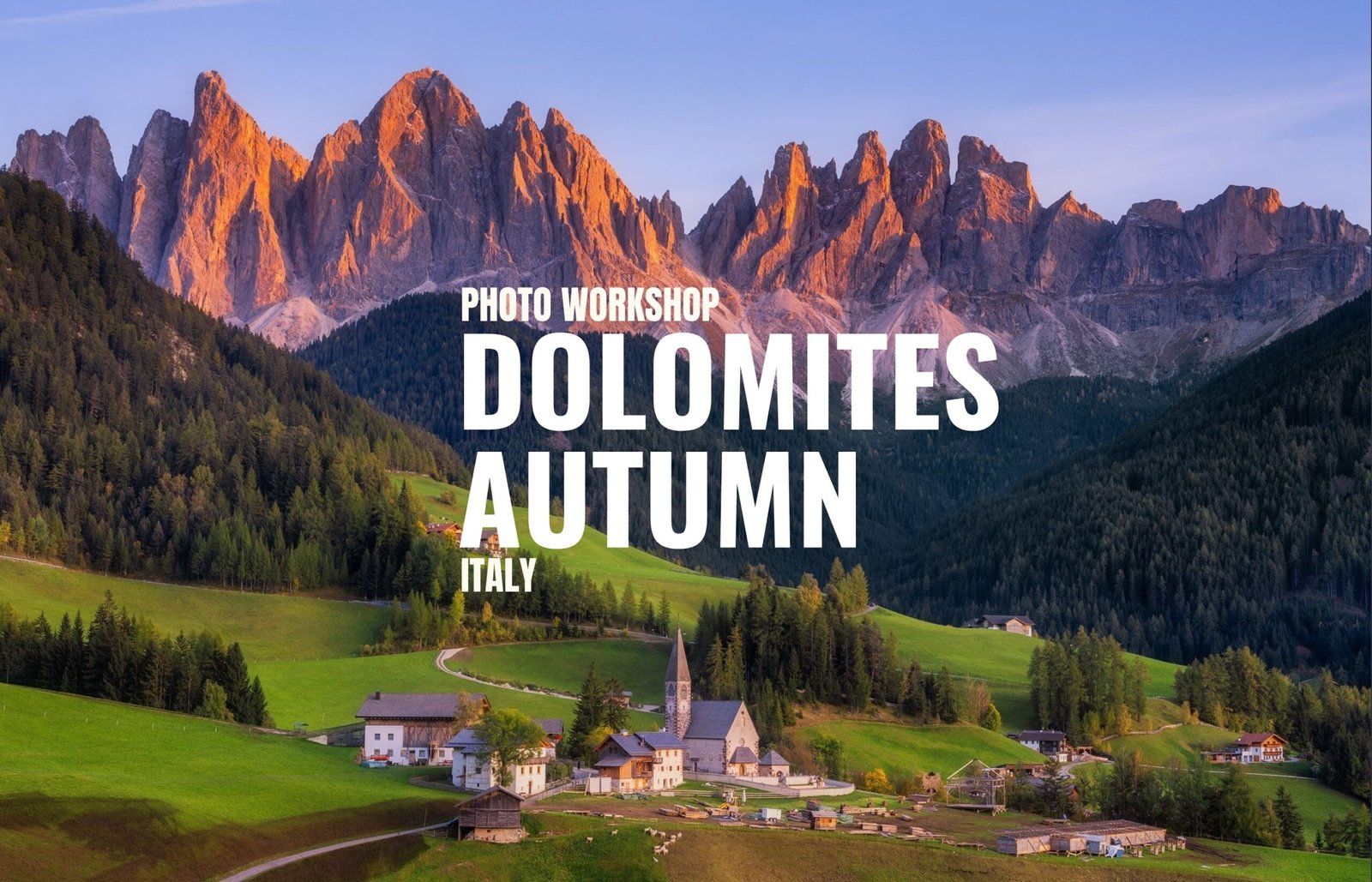
Dolomites Autume
16 Oct - 22 Oct 2026 (7D6N)
Michael Choong & Kah-Wai Lin
